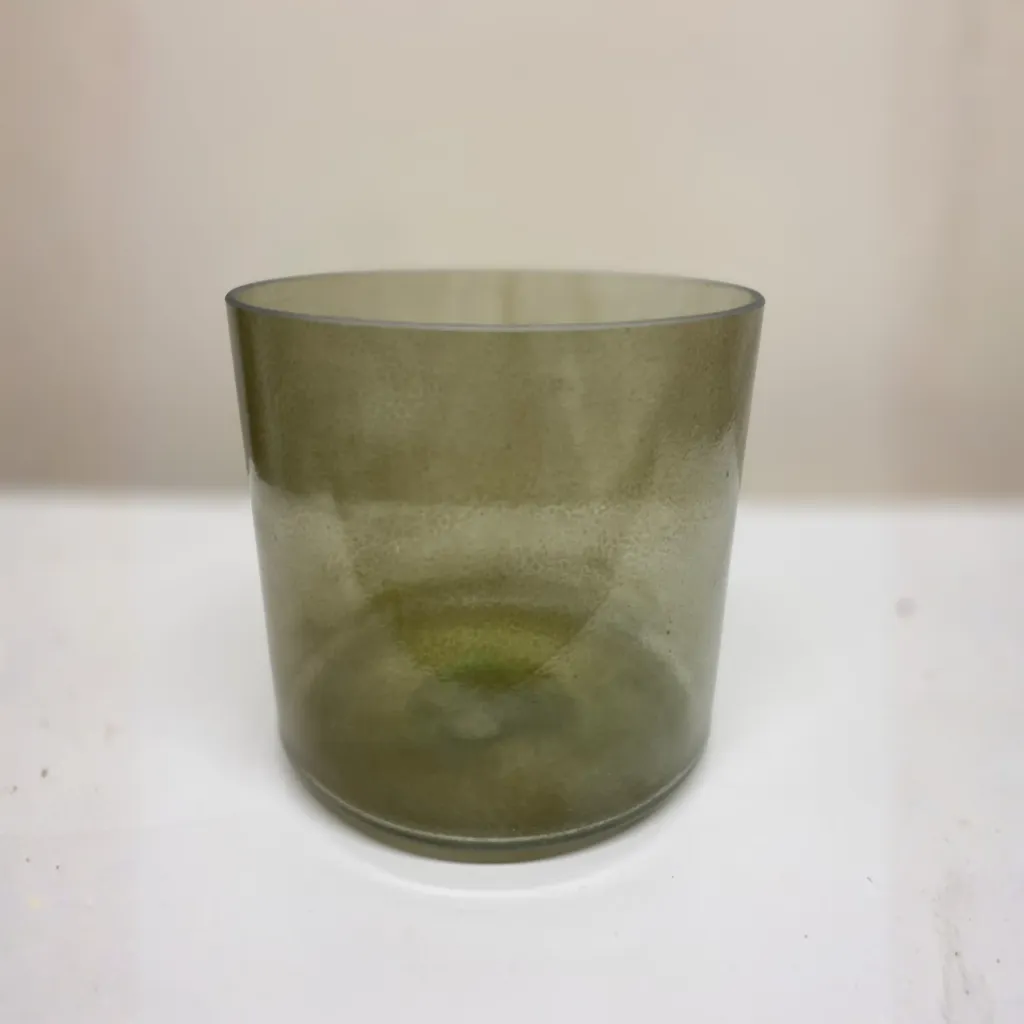
Epidote intensifies whatever energy or pattern you're feeding—positive or negative. If you're practicing gratitude, epidote strengthens that. If you're ruminating on resentment, it amplifies that too. This makes it a responsibility stone: it asks you to be conscious of what you're nurturing before you play. Practitioners use epidote when they're ready to commit to honest self-examination, not when they're bypassing difficult feelings with spiritual platitudes.
Blue stones typically support gentle, flowing expression—speaking your truth with ease. Epidote takes a different approach: it surfaces what you've been unable to say, even to yourself, by amplifying the emotional weight of unspoken things until they demand attention. The G note's expressive quality combined with epidote's earth-grounded honesty creates conditions for truth-telling that doesn't float away into abstraction. Choose this when you need to stop performing communication and start actually saying what matters.
Epidote isn't about intensity—it's about honesty. Beginners often do well with this bowl because it doesn't require understanding chakra systems or energy work; it simply asks you to notice what comes up when you play it. The 6-inch size keeps the experience intimate rather than overwhelming. That said, if you're actively avoiding something difficult, epidote will gently but persistently point you toward it. It's not harsh, but it won't let you hide either.
Therapists play epidote bowls after sessions involving heavy emotional content to release absorbed energy before it settles into their own system. The amplifying property works in reverse here—it intensifies the intention to let go, making the clearing process more efficient than passive waiting. Three minutes of playing while consciously releasing what isn't yours creates a boundary that protects practitioners from cumulative energetic burden. The throat chakra resonance helps vocalize (internally or aloud) what needs to be released.
Yes. This bowl resonates at 383 Hz, which aligns with instruments tuned to A=432 Hz (often called "natural tuning"). At this reference, it plays G-9—nearly a true tone G. Many practitioners find A=432 produces a warmer, more organic quality that pairs naturally with epidote's earth-grounded nature. If you're building a collection around A=432 or prefer this tuning's nervous-system-calming properties, this bowl integrates seamlessly. The combination of epidote's honest amplification with A=432's grounding resonance creates ideal conditions for shadow work and emotional release.
Epidote integrates at the molecular level during the bowl's formation at over 3,000°F—not as a surface coating, but as part of the quartz's crystalline structure itself. Divine Bowls' proprietary process, refined over 40+ years, allows the mineral's signature to become part of what vibrates when you play. Even if the epidote transforms at high temperatures, its structural imprint remains in the quartz microstructure, producing resonance patterns unique to this infusion. The result is permanent—it won't fade, wash away, or diminish with use.